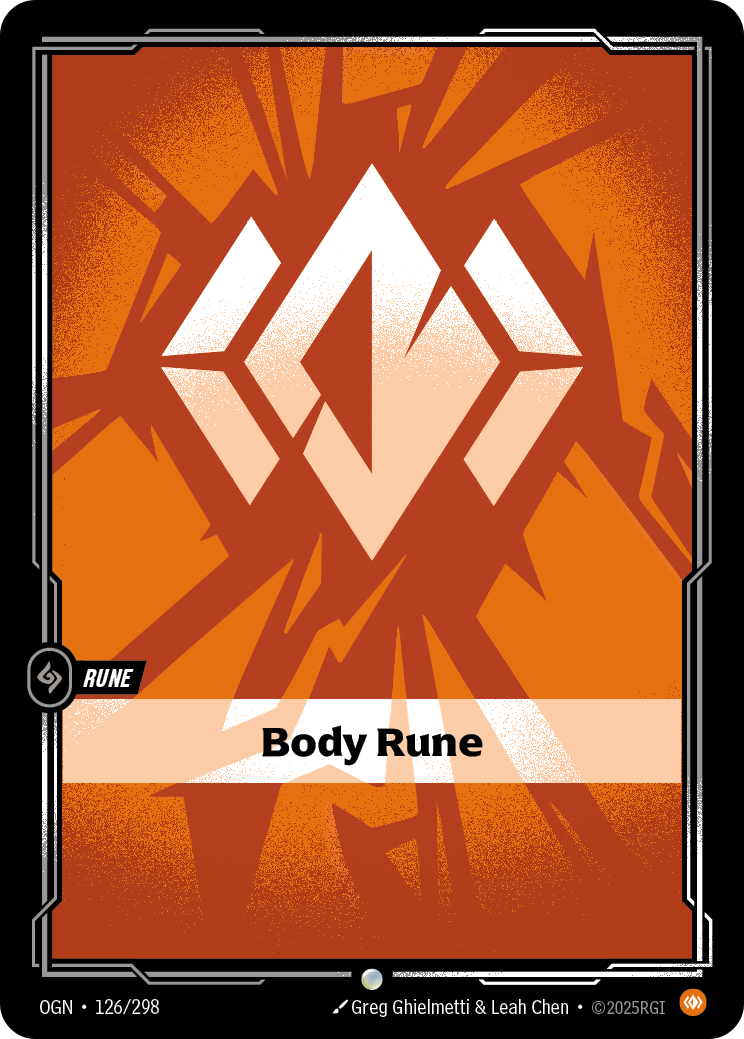
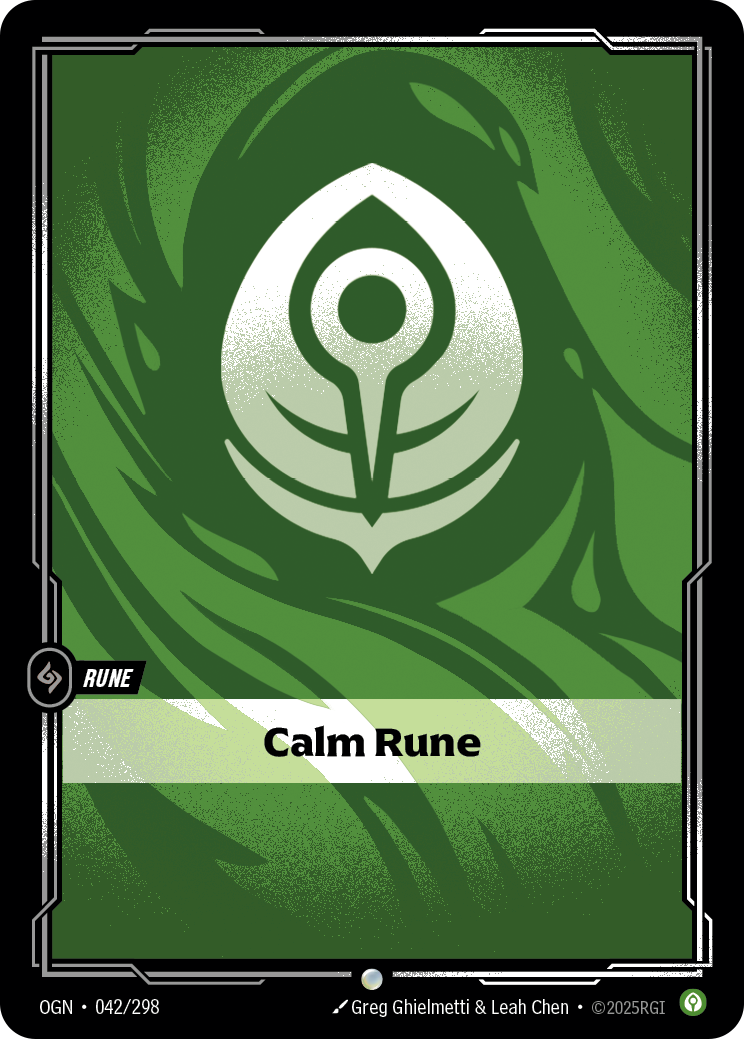
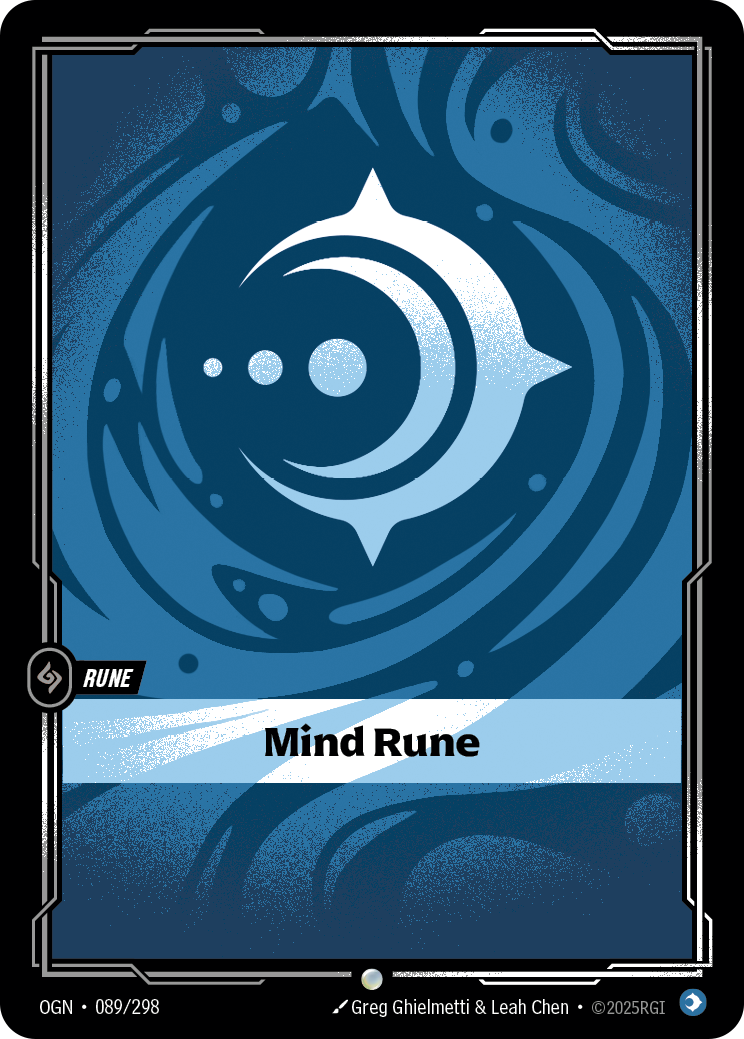
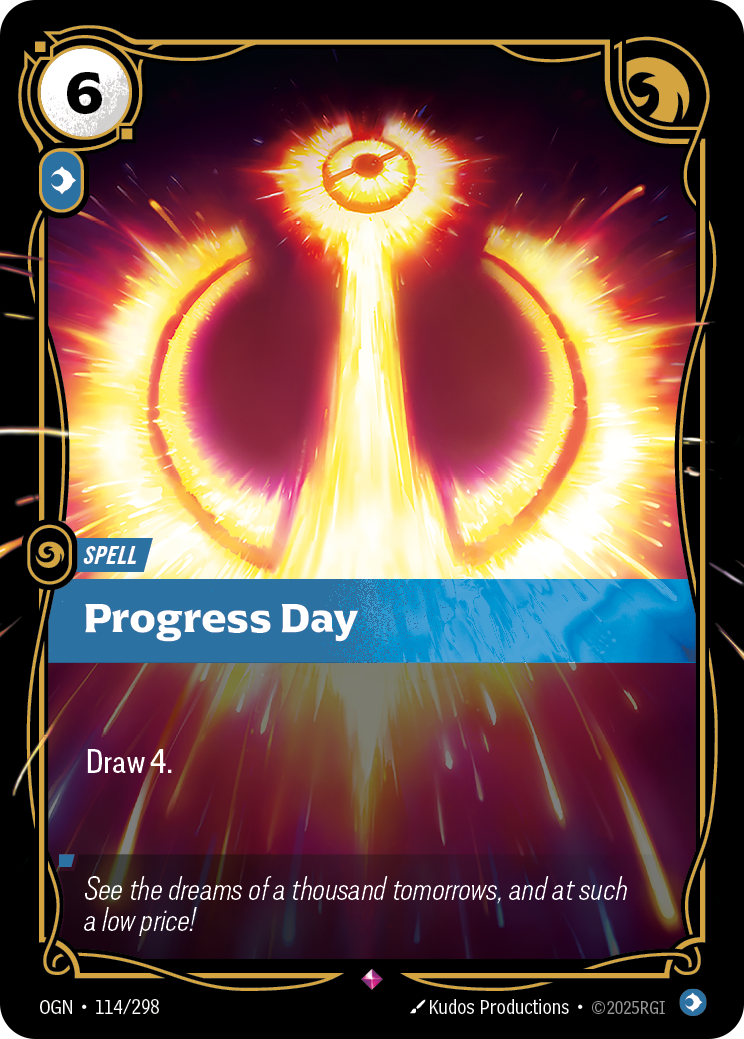
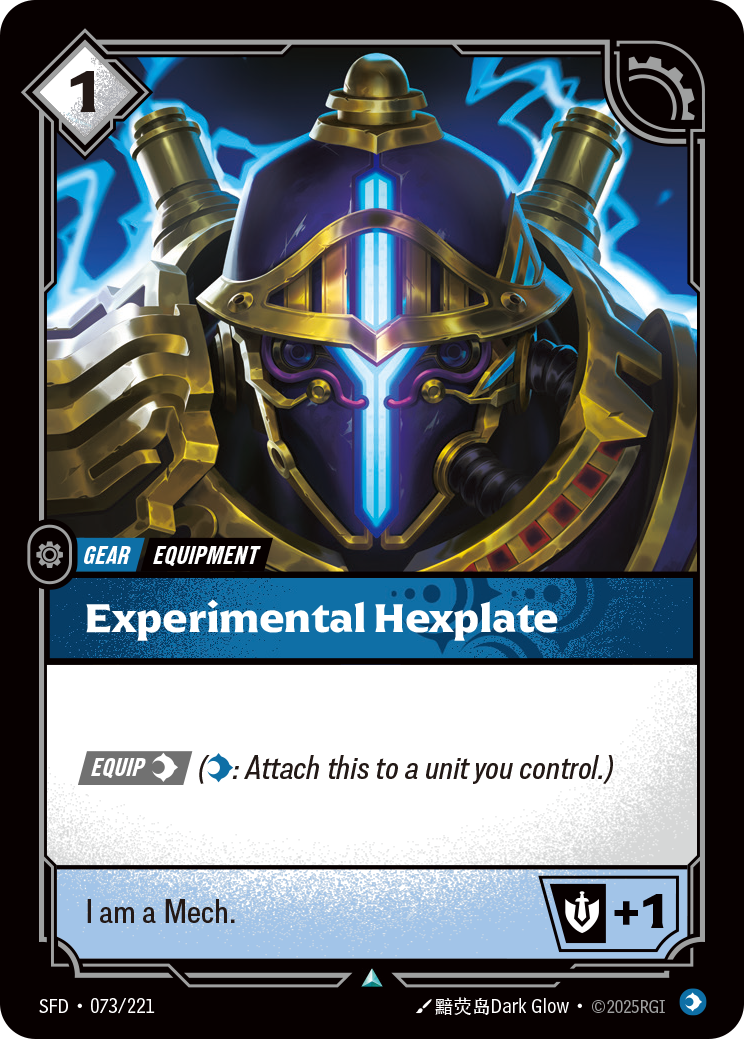
Symbols 1. Rules text sometimes contains symbols that express game concepts. Each symbol also has a shorthand used to represent it in written text. 2. The cost of Exhausting a Permanent is represented by the “exhaust symbol,” which resembles a card turning sideways. Its shorthand is [E]. (Some previous rules information has given its shorthand as [T].) 3. Might is represented by the “Might symbol,” which resembles a sword and shield. Its shorthand is [M]. (Some previous rules information has given its shorthand as [S].) 4. Power of a specific Domain is represented by its domain symbol and the corresponding shorthand. See rule 134. Domain for more information. 5. Power of any Domain is represented by a swirling rainbow symbol. Its shorthand is [A]. 5.a. When required as a cost, [A] can be paid by Power of any Domain. 5.b. When Added to a player’s Rune Pool, [A] can be spent to pay a Power cost of any Domain. 6. Power of a domain corresponding to a card’s own Domain is not represented by a symbol, but appears in these rules similarly to other symbols. Its shorthand is [C]. 6.a. When a [C] shorthand is printed on a card as reminder text, it assumes that card’s usual Domain, but it still means “one Power of this card’s Domain.” 6.b. A [C] shorthand on a card with no Domain is processed as [A] instead. 6.c. A [C] shorthand on a card with multiple Domains is processed as any power of that card’s Domains. Example: Defiant Dance is a Calm and Chaos spell. Its cost is [1][C]. The power component of that cost can be paid with either [G] or [P]. Example: Tibbers is a Fury and Chaos Unit. If Tibbers is granted the Accelerate keyword, the power component of the optional additional cost can be paid with either [R] or [P]. 7. A keyword associated with an ability is indicated by the [>] symbol. 7.a. This could be a dependent keyword like [Legion][>] or [Level][>], a triggered ability with a keyworded trigger condition like [Deathknell] or it could be a permissive keyword associated with an ability like [Action][>] or [Reaction][>]. 7.b. Whatever instruction or ability comes after the [>] is modified by the keyword that comes before the [>]. It will either be inactive, in the case of a dependent keyword; the trigger effect, in the case of a keyword triggered ability; or it will receive the permission granted by the keyword in the case of a permissive keyword.